
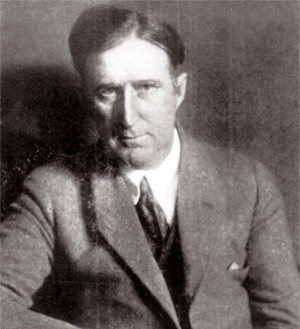
Frank Marshall (1877–1944) was an American chess grandmaster and one of the strongest players in the world during the early 20th century. Known for his aggressive and tactical style, Marshall held the title of U.S. Chess Champion from 1909 to 1936, making him one of the longest-reigning champions in the country’s history. His contributions to chess extended beyond his playing career, as he also helped shape modern chess theory, particularly in opening strategies.
Marshall first gained international recognition in the early 1900s when he participated in several major tournaments across Europe. Despite facing strong competition from legends like Emanuel Lasker and José Raúl Capablanca, Marshall remained one of the top players in the world. His style was characterized by bold attacks and complex tactical maneuvers, which often left his opponents in difficult situations.
One of Marshall’s most famous contributions to chess is the “Marshall Attack” in the Ruy Lopez opening, a daring gambit that sacrifices material for rapid development and attacking chances. This opening has stood the test of time and is still used by top players today, making it a significant part of Marshall’s legacy. In 1909, Marshall challenged Capablanca to a match but lost decisively, marking the rise of the Cuban player on the global stage. Despite this loss, Marshall continued to compete at the highest level for many years.
Marshall’s long reign as U.S. Champion and his tactical brilliance have cemented his place in chess history. For those who wish to dive deeper into his aggressive playing style and explore his famous games, resources like Forky Chess offer valuable insights into his contributions to chess theory.
Though Marshall never held the World Chess Championship, his influence on chess strategy and American chess culture was profound. His games remain a source of study for players aiming to understand the art of attack and tactical ingenuity.